
Introduction
In today’s competitive supply chain and logistics environment, storage is not just about space—it is about control, efficiency, safety, and product integrity. Businesses across industries need reliable warehousing systems that protect goods from moisture, contamination, temperature fluctuations, and operational damage.
This is where Dry Storage becomes a critical solution. It is widely used for products that do not require temperature-controlled environments but still need clean, secure, and organized warehousing.
Across Saudi Arabia, the demand for professional storage facilities is growing rapidly due to expansion in retail, wholesale, manufacturing, and e-commerce sectors. Cities like Dammam and Jeddah have become major logistics hubs where businesses rely heavily on advanced dry storage solutions.
In this detailed guide, we will explore everything about dry storage, its benefits, applications, and why Units is considered a top company providing reliable storage services.
Dry Storage
What is Dry Storage?
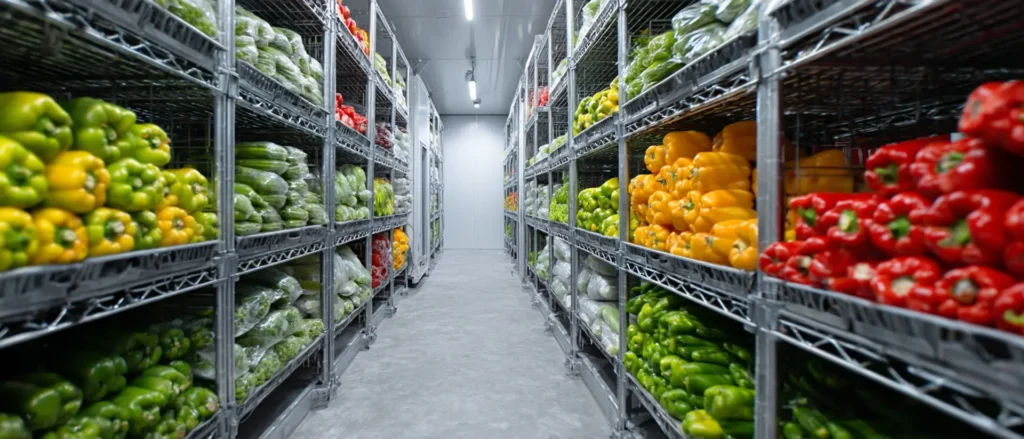
Dry Storage refers to a type of warehousing where goods are stored in a clean, dry, and temperature-stable environment without refrigeration or freezing conditions. It is designed for products that are not sensitive to temperature but still require protection from humidity, dust, pests, and environmental damage.
Types of Products Stored in Dry Storage
Dry storage facilities are commonly used for:
- Packaged food items
- Beverages
- Electronics (non-sensitive components)
- Clothing and textiles
- Household goods
- Industrial materials
- Paper products
Importance of Dry Storage
Dry storage plays a vital role in:
- Protecting goods from moisture damage
- Preventing contamination and pests
- Maintaining product quality
- Ensuring organized inventory management
- Supporting supply chain efficiency
Key Features of Dry Storage Facilities
- Clean and dust-free environment
- Pest control systems
- Secure storage units
- Organized shelving and racking systems
- Inventory tracking systems
Benefits of Dry Storage
- Cost-effective compared to cold storage
- Suitable for a wide range of goods
- Easy scalability for businesses
- Reduces product loss and damage
- Improves logistics efficiency
Dry Storage in Dammam
Dammam is one of the most important industrial and logistics cities in Saudi Arabia. With its strategic location near ports and industrial zones, it plays a key role in trade and distribution.
Why Dry Storage in Dammam is Important
- Strong industrial base
- Proximity to King Abdulaziz Port
- Growing import/export activities
- Expansion of manufacturing companies
Industries Using Dry Storage in Dammam
- Oil and gas sector
- Manufacturing companies
- Retail and wholesale businesses
- Automotive industry
- Electronics distribution
Benefits of Dry Storage in Dammam
- Fast distribution channels
- Reduced transportation time
- Secure and organized warehousing
- Efficient inventory control
- Cost-effective logistics solutions
Business Impact
Dry storage in Dammam helps companies streamline operations and maintain consistent supply chain performance in a highly competitive market.
Dry Storage in Jeddah
Jeddah is a major commercial gateway in Saudi Arabia, connecting international trade routes through the Red Sea.
Importance of Dry Storage in Jeddah
- Strategic port location (King Abdullah Port nearby)
- High import/export activity
- Growing retail and e-commerce markets
- Strong logistics infrastructure
Industries Relying on Dry Storage in Jeddah
- Food distribution companies
- Retail chains
- Textile and apparel businesses
- Electronics importers
- Pharmaceutical distributors
Benefits of Dry Storage in Jeddah
- Efficient cargo handling
- Quick access to shipping routes
- Reduced storage and transportation costs
- Secure warehousing environment
- Improved supply chain efficiency
Business Advantages
Dry storage in Jeddah supports international trade and helps businesses manage large-scale inventory with ease and efficiency.
Key Differences Between Dry Storage, Cold Storage, and Freezer Storage
| Type | Temperature | Usage |
|---|---|---|
| Dry Storage | Normal | Non-perishable goods |
| Chilled Storage | 2°C–8°C | Dairy, fruits, vegetables |
| Frozen Storage | -18°C or below | Frozen food, meat |
Dry storage is the most cost-effective and widely used option for general goods.
Why Businesses Need Professional Dry Storage Solutions
Inventory Safety
Protects goods from damage, theft, and environmental factors.
Operational Efficiency
Improves warehouse management and logistics flow.
Cost Reduction
Reduces losses and unnecessary operational expenses.
Scalability
Allows businesses to expand storage capacity as needed.
Features of Modern Dry Storage Facilities
- Advanced inventory tracking systems
- 24/7 security surveillance
- Fire safety systems
- Climate-controlled dry zones
- Automated storage solutions
Industries That Benefit from Dry Storage
- E-commerce businesses
- Retail chains
- Manufacturing companies
- Construction material suppliers
- FMCG distributors
Units – A Top Company for Dry Storage Solutions
When it comes to reliable and professional warehousing services, Units stands out as a top company offering high-quality Dry Storage solutions.
Why Choose Units?
- Modern and secure storage facilities
- Strategic locations across Saudi Arabia
- Professional inventory management systems
- Cost-effective storage solutions
- Reliable logistics support
Services Offered by Units
- Dry storage warehousing
- Inventory management
- Logistics and distribution support
- Business storage solutions
- Supply chain optimization services
Units ensures businesses get safe, efficient, and scalable storage solutions tailored to their needs.
Future of Dry Storage in Saudi Arabia
The storage and logistics industry in Saudi Arabia is evolving rapidly due to economic growth and infrastructure development.
Emerging Trends
- Smart warehouses with automation
- AI-based inventory tracking
- Digital supply chain integration
- Eco-friendly storage solutions
- Real-time logistics monitoring
Growth Outlook
- Increasing trade activities
- Expansion of retail and e-commerce
- Government investment in logistics infrastructure
- Rising demand for efficient storage systems
Challenges in Storage Management
Poor Inventory Tracking
Leads to product mismanagement and losses.
Lack of Proper Infrastructure
Can affect product safety and efficiency.
High Operational Costs
Inefficient systems increase expenses.
Security Risks
Theft and damage risks without proper systems.
Conclusion
Dry Storage is an essential part of modern logistics and supply chain management. It provides a safe, cost-effective, and efficient way to store non-perishable goods while maintaining quality and organization.
In key commercial cities like Dammam and Jeddah, demand for professional dry storage solutions continues to grow as businesses expand and trade increases across Saudi Arabia.
For companies looking for reliable and scalable storage solutions, Units stands out as a top company offering modern dry storage services designed to support business growth and operational efficiency.
FAQs
1. What is dry storage used for?
Dry storage is used for non-perishable goods like packaged food, textiles, electronics, and industrial materials.
2. Why is dry storage important in Saudi Arabia?
It supports growing trade, retail, and industrial sectors across the country.
3. Which cities have high demand for dry storage?
Dammam and Jeddah are major logistics hubs with high demand.
4. Is dry storage cost-effective?
Yes, it is more affordable compared to cold and frozen storage.
5. Why choose Units for storage services?
Because it offers secure, modern, and scalable storage solutions across Saudi Arabia.